BHUTAN ODYSSEYS OF DISTINCTION 06 DAYS 5 NIGHTS

Package Overview
Duration : 6 days & 5 nights
Price : $ 0.00
-
Day 1
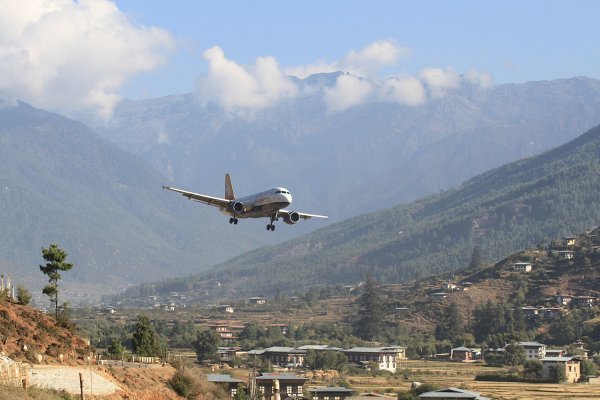
After arriving at Paro International Airport, you will be welcomed by your dedicated certified guide, and after immigration & baggage collection you will drive to Thimphu.
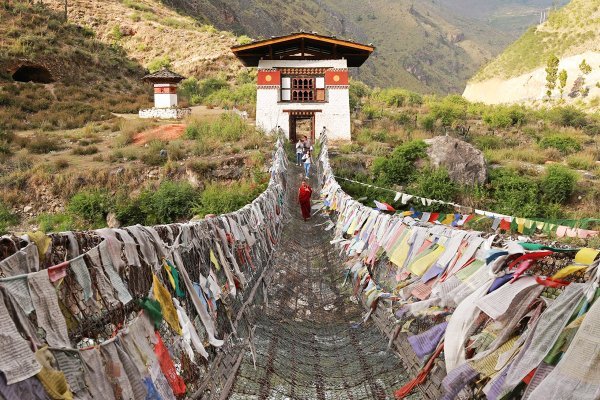
On the way, you may stop to visit Iron Chain Bridge below Tachog Lhakhang which was built in 15th century by Thangthong Gyalpo. There is a separate bridge next to this one that is specifically for cattle to use, as crossing over an iron chain bridge is very difficult and dangerous for them.
You may pull-over at Chhuzom where Paro Chhu and Wang Chhu meets. It is also a place where road connects to four districts in Bhutan. Because Bhutanese traditions regards such a convergence of rivers as inauspicious, there are three chortens here to ward off evil spells in the area.
Thimphu Altitude 2320m:
Thimphu is a small, charming capital city nestled in the heart of the Himalayas with a population of over 100,000 people. Thimphu is capital town of Bhutan and the Centre for government, religion and commerce.Check into hotel, have some refreshments.
National Memorial Chorten:
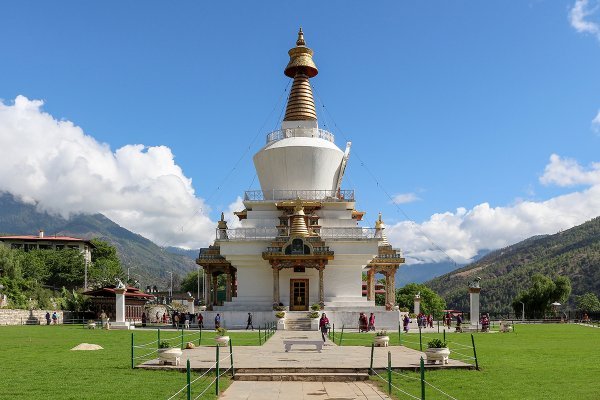
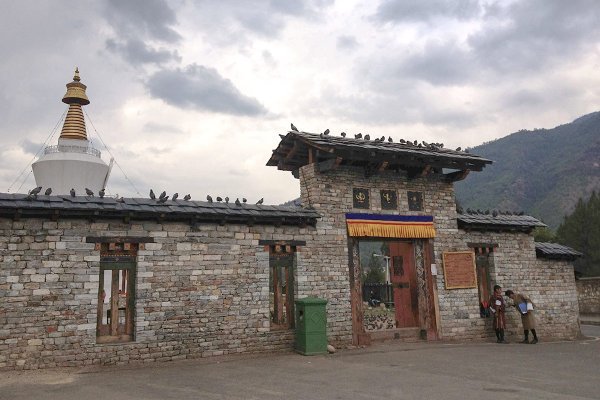
Memorial chorten has been designed to present it as one of the most visible religious structures in Thimphu. The Memorial Chorten, in the heart of the city, is designed is a Tibetan style chorten, also called as the Jangchup Chorten, patterned on the design of a classical stupa, with a pyramidal pillar crowned by a crescent moon and sun. The feature that is distinct here is the outward flaring of the rounded part to give the shape of a Vase, unlike a dome shape. Chorten literally means Seat of Faith and Buddhists often call such monuments, the Mind of Buddha. National Memorial Chorten is an extraordinary example of Buddhist architecture and artwork with its gorgeous paintings and intricate sculptures. You will find elderly Bhutanese people circumambulating this throughout the day.
Kuenselphodrang (Buddha Point):
Buddha Dordenma is massive statue of Shakyamuni measures in at a height of 51.5 meters, making it one of the largest statues of Buddha in the world. The statue is made of bronze and is gilded in gold. 125,000 smaller Buddha statues have been placed within the Buddha Dordenma statue, 100,000 8-inch tall and 25,000 12 inch tall statues respectively.
Each of these thousands of Buddhas has also been cast in bronze and gilded.The throne that the Buddha Dordenma sits upon is a large meditation hall.
Here you can chose to meditate or do some yoga.
Takin Preserve National Park:
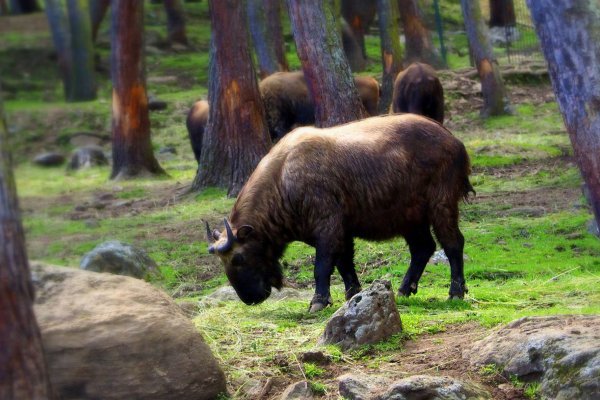
Motithang Takin (Natioanl animal) Preserve, located in the Motithang in Thimphu. Bhutan has a wildlife reserve area for Takin. This was started as a mini zoo, later the King of Bhutan felt that it was improper for a Buddhist country to confine animals for religious and environmental reasons. He therefore ordered the release of the animals and the closure of the mini-zoo on converted into a preserve. The reason for declaring takin as a National Animal of Bhutan on 25 November 2005 (Budorcas taxicolor) is attributed to a legend of the animal's creation in Bhutan in the 15th century by Lama.The preserve also holds a few sambar and barking deer. The Motithang Takin Reserve has been an integral part of Thimphu city and is an ongoing visitor attraction.
Tashichhoe Dzong:
In 1641 Zhabdrung Ngawang Namgyal acquired it but finding it too small, he built another one, known as the lower Dzong. The original dzong was destroyed by fire in 1771 and everything was moved to the lower dzong. The new building was later expanded several times over the years. It was damaged during an earthquake in 1897 and rebuilt in 1902.King Jigme Dorji Wangchuck had it completely renovated and enlarged over five years after he moved the capital to Thimpu in 1952 in traditional style using neither nails nor written plans. Tashichho Dzong has been the seat of the government since 1952 and presently houses the throne room and offices of the king, the secretariat and the ministries of home affairs and finance. Other government departments are housed in buildings nearby. The dzong is located close to Thimphu town, next to the banks of the Wangchhu River. It is an impressively large structure, surrounded by well-kept lawns and beautiful gardens.
Over night at Thimphu
-
Day 2
Tashichhodzong,
The fortress of the glorious religion. Initially erected in 1641 by Shabdrung Ngawang Namgyal, it was rebuilt in the 1960s during the reign of Bhutan's third king in the traditional style, without plans or nails. Tashichhodzong houses some ministries, His Majesty's secretariat, and the central monk body. Overnight at your hotel in Thimphu.
Folk Heritage Museum:
The museum gives you a glimpse of the traditional Bhutanese lifestyle, in addition to artifacts from rural households; it also displays an impressive collection of typical household objects, tools and equipment.The museum also organizes regular demonstrations of rural traditions, skills, habits and customs as well as hosting educational programs for children.
Royal Textile Academy:
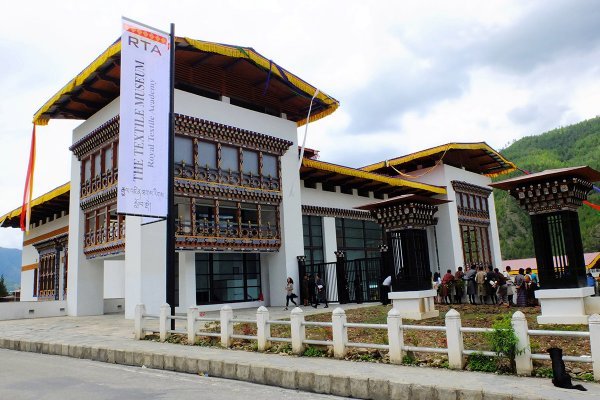
Weaving is an integral component of the culture and tradition of Bhutan. With the aim to preserve and promote this living art, the Royal Textile Academy of Bhutan was instituted in May 2005 under the patronage of Her Majesty Queen Mother Sangay Choden Wangchuck as a non-government, non-profit organization.
It is worth a visit to learn about Bhutan's living national art of weaving and to know the different style of costumes are wore and pattern evolved from various region of the country.
Evening:
Watch an Archery Game at Changlimithang Stadium. Archery is the National Sport which is widely played during the weekends.
Towards evening Thimphu town/Handicrafts stall/weekends Farmer Market
Overnight in Thimphu
-
Day 3
Drive to Punakha after breakfast.
Punakha Altitude:
(1300m/4265ft.): Punakha served as the capital of Bhutan during the time of Zhabdrung Ngawang Namkgyal, the founder of Bhutan. Today it is the administrative and religious center of the district and the winter home of Bhutan's Central Monk Body. It is blessed with temperate climate and owing to its natural drainage from Pho Chhu (male) and Mo Chhu (female) rivers, the Punakha valley produces abundant crops and fruits.
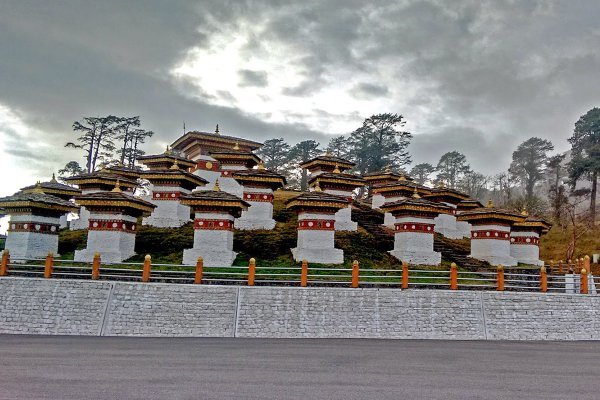
Start your morning by enjoying and taking pictures of the Dochula Pass (3150m/10,000ft) with its panoramic views of the Himalayas. The pass is decorated with 108 Druk Wangyel Chorten, which were built to celebrate the stability and progress, brought to Bhutan by His Majesty Jigme Singye Wangchuck, the Fourth King.
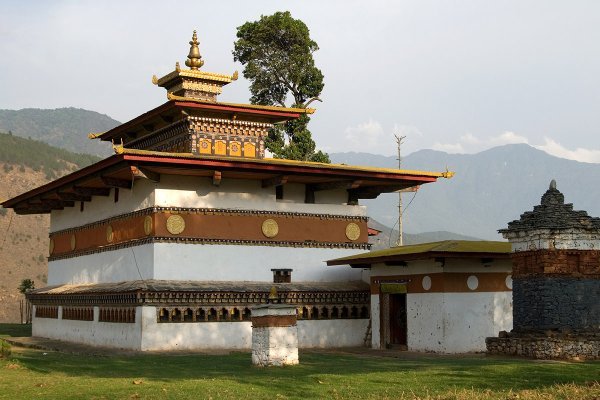
Chimmi Lhakhang:
Take a short hike through the rice field to Chimmi Lhakhang, the 15th-century monastery built by Lam Ngawang Chogyal on the spot where his cousin Lam Drukpa Kuenley (popularly known as the Divine Madman) subdued a powerful demon. This monastery is also referred to as the Abode of Fertility and believed that any couple who gets blessing from this temple is blessed with a child in the next year or so.
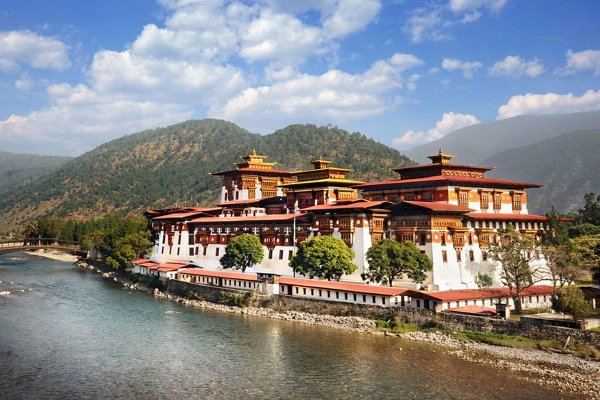
Punakha's Dzong:
The name means Palace of Great Bliss. This dzong stands magnificently on the spit of land where two rivers (Pho chu and Mo chu) meet. Punakha Dzong has special significance in Bhutanese history as the place where Bhutan's first King, Ugyen Wangchuck, was crowned in 1907. It is also the winter residence for the Je Khenpo (spiritual leader) and the entire central monk body.
Punakha Suspension Bridge:
This is a thrilling bridge for photography enthusiasts.
In the evening, retrace your journey and the drive back to Thimphu.
Overnight in Thimphu
-
Day 4
After breakfast drive to Paro.
Kyichu Lhakhang in the afternoon
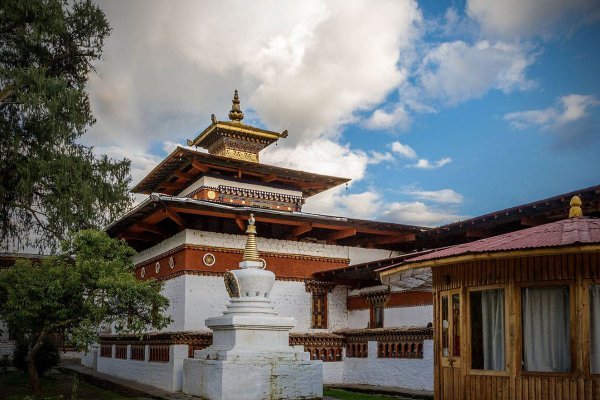
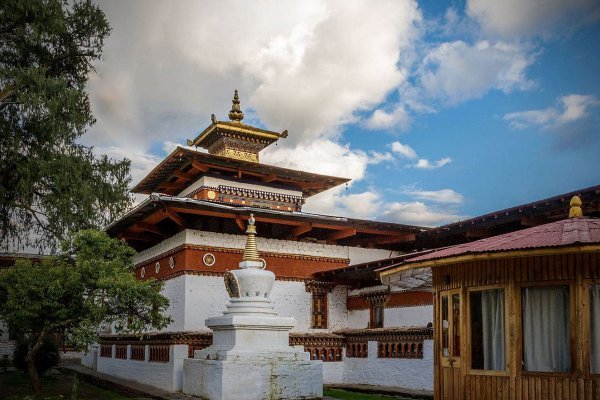
It is one of the oldest and most sacred shrines of the Kingdom dating back to 7th century (the other is Jambay Lhakahng in Bumthang). The lhakhang complex is composed of two temples. The first temple was built by Tibetan King, Songtsen Gampo in the 7th century and in 1968, Her Majesty Ashi Kesang, the Queen Mother of Bhutan, built the second temple in original pattern.
Make sure to visit the Museum of the Great Tibetan Master, Dilgo Khyentse Rinpoche who once lived there. It is just located behind the main temple and can watch documentary. You will spend an hour in meditation in the Kyichu temple.
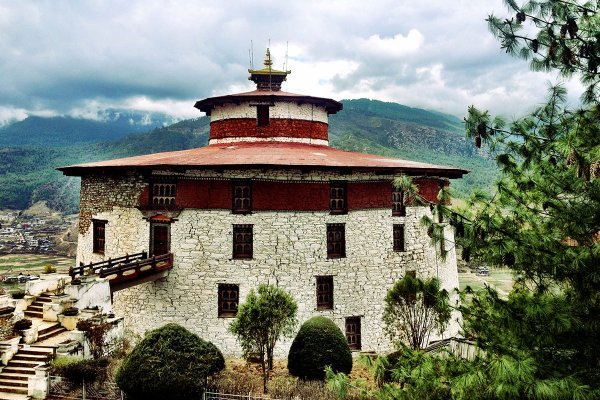
National Museum
Ta- Dzong (the watchtower) was built in the 17th century to guard the Paro Rimpong dzong (fortress) below. It was said that the future first king was kept in this tower as a prisoner for a week. It was the third king who restored the Ta-dzong and converted it into the National Museum. The visit to the museum will familiarize you with the Bhutanese way of life and will also acquaint you with the natural and cultural history.
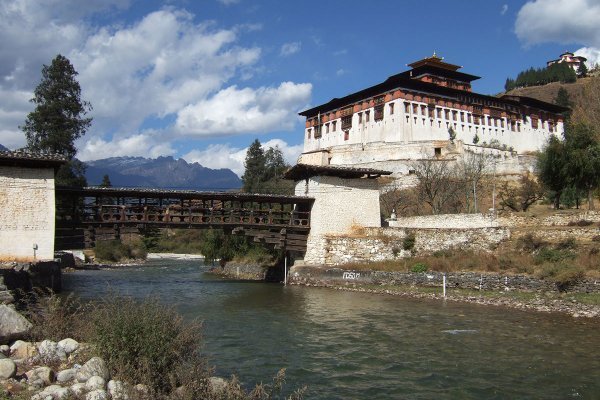
Paro Rimpung Dzong
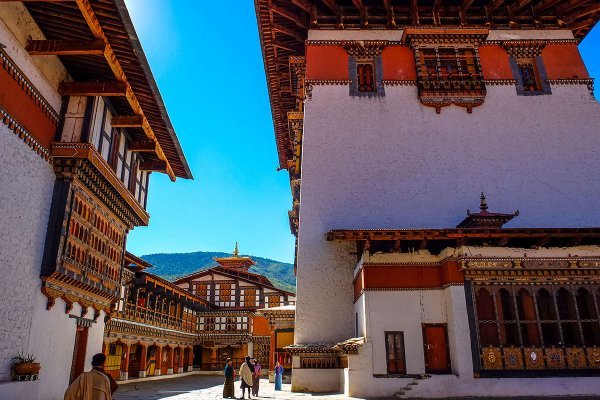
Majestic and imposing, dzongs are arguably among the most distinctive and important structures in Bhutan. This Dzong is the headquarters of the Paro district, housing the head administrator and staff, as well as a monastic body with about 200 monks.
Evening: explore Paro Town
Overnight in Paro.
-
Day 5
Visit to Taktsang
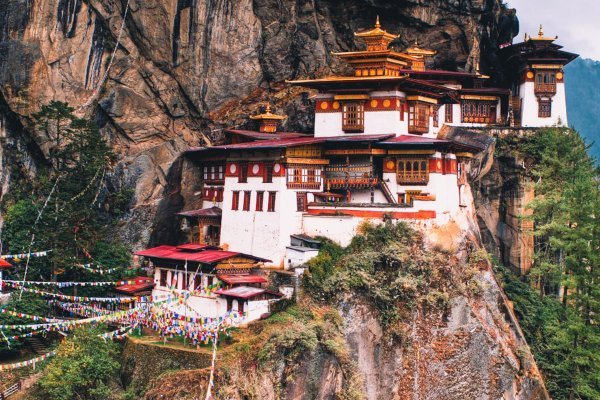
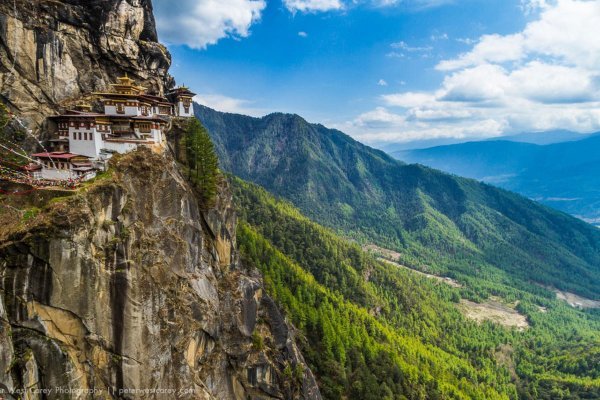
Tiger Nest Monastery is Bhutan's most iconic landmark and religious site. The name Taktsang means Tiger's Nest. This temple is one of the most holiest sites in the Kingdom and clings impossibly to a sheer cliff face 900 m above Paro Valley. It is believed that Guru Rinpoche flew to this location from the Singye Dzong on the back of the flying Tigress
This place was consecrated to tame Tiger Demon, was first built in 1692 at the cave were Guru Rinpoche meditated in the seventh century for three years three months three days and three hours in order to subdue evil demon residing within it. The cave is considered as a sacred site ever since and famous saint have traveled to meditate in it.
You can choose to spent some time in meditation there in the monastery.
Overnight in Paro
-
Day 6
After breakfast, your guide and driver will see you off at the airport.