BHUTAN ODYSSEYS OF DISTINCTION 9 DAYS 8 NIGHTS

Package Overview
Duration : 9 days & 8 nights
Price : $ 0.00
-
Day 1
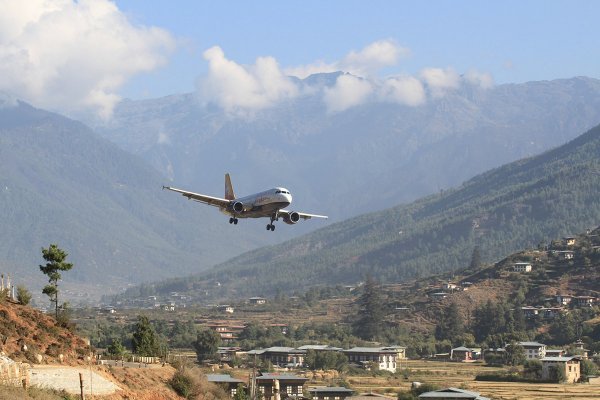
Arrival at Paro international airport; your dedicated vehicle with a guide will drive you to Thimphu (2286m) which is about 1 hour 30 minutes drive after immigration and baggage collection.
You may pull-over at Chhuzom where Paro Chhu and Wang Chhu meets. It is also a place where road connects to four districts in Bhutan. Because Bhutanese traditions regards such a convergence of rivers as inauspicious, there are three chortens here to ward off evil spells in the area.
Lunch at the hotel.
Visit the Memorial Chorten built in 1974 in loving memory of the third king, His majesty, Jigme Dorji Wangchuck. The stupa is designed in a Tibetan style. The feature that is distinct here is the outward flaring of the rounded part to give the shape of vase. Chorten literally mean seat of faith and there are numerous paintings that provide an insight into Buddhist Philosophy.
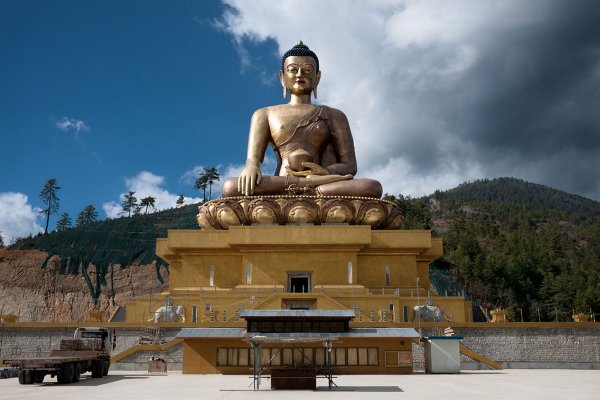
Buddha point
Buddha Dordenma is a massive statue of Shakyamuni measures in at a height of 51. 5m making it one of the largest statue of Buddha in the world. The statue is made of bronze and is glided in gold.
Enjoy a stunning view of Thimphu city from this point. Enjoy a stunning view of Thimphu city from this point.
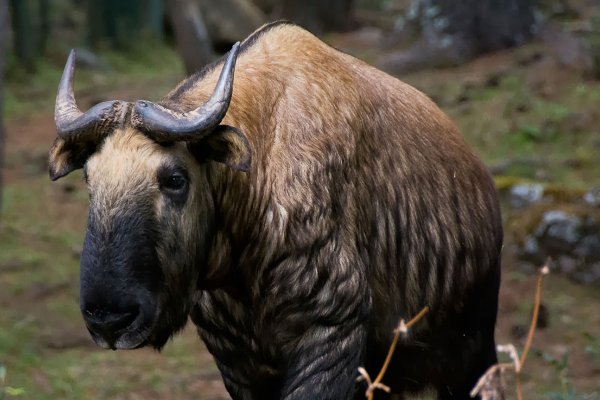
National Takin Reserve: National Takin Reserve (Mini Zoo):
The mythical animal takin is national animal of Bhutan only found high altitude of Bhutan, China and Myanmar. This small reserve is started by Fourth King of Bhutan in 199. According to legend, takin is a cross between a goat and a buffalo, but biologists agree that its nearest relative is the arctic musk ox.
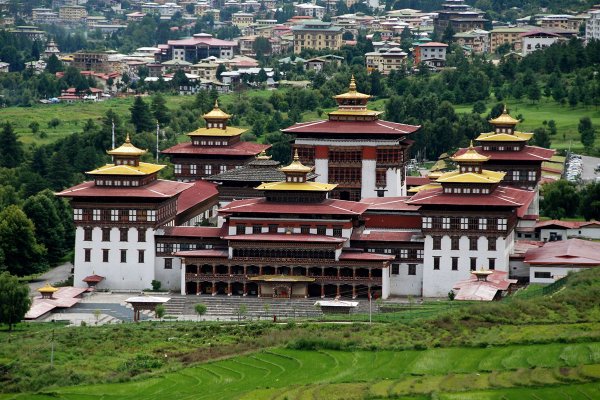
Tashichhidzong
In the evening you will visit to Tashichho Dzong (the fortress of the houses His Majesty's Secretariat and the central Monk Body, located in the city of Thimphu Bhutan on the western bank of Wangchu river). You can see the national Assembly building Across the river. In the evening explore Thimphu town.
-
Day 2
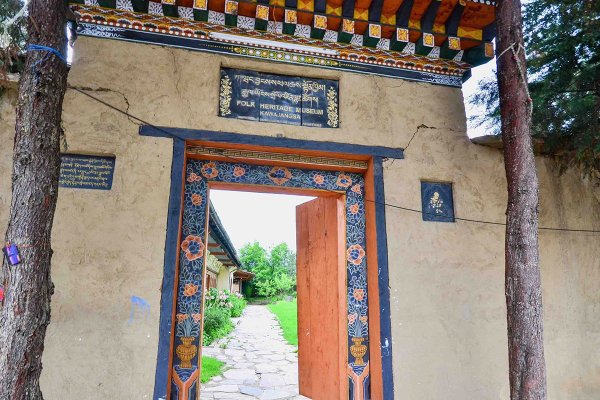
Folk Heritage Museum:
The museum gives you a glimpse of the traditional Bhutanese lifestyle, in addition to artifacts from rural households; it also displays an impressive collection of typical household objects, tools and equipment.The museum also organizes regular demonstrations of rural traditions, skills, habits and customs as well as hosting educational programs for children.
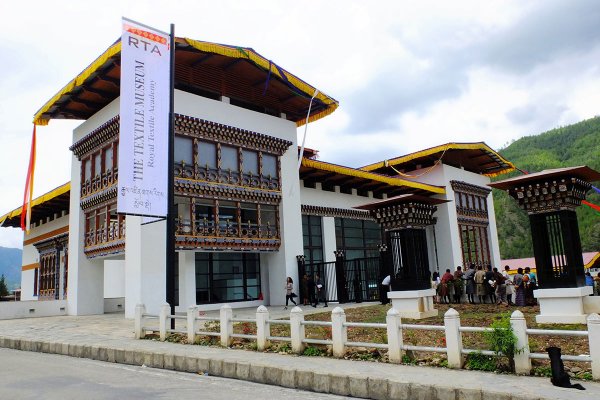
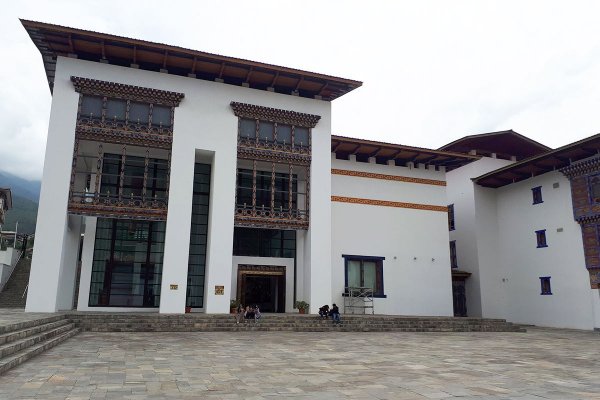
Royal Textile Academy:
Weaving is an integral component of the culture and tradition of Bhutan. With the aim to preserve and promote this living art, the Royal Textile Academy of Bhutan was instituted in May 2005 under the patronage of Her Majesty Queen Mother Sangay Choden Wangchuck as a non-government, non-profit organization.
It is worth a visit to learn about Bhutan's living national art of weaving and to know the different style of costumes are wore and pattern evolved from various region of the country.
Evening:
Watch an Archery Game at Changlimithang Stadium. Archery is the National Sport which is widely played during the weekends. Towards evening Thimphu town/Handicrafts stall/weekends Farmer Market
-
Day 3
Dochula Pass
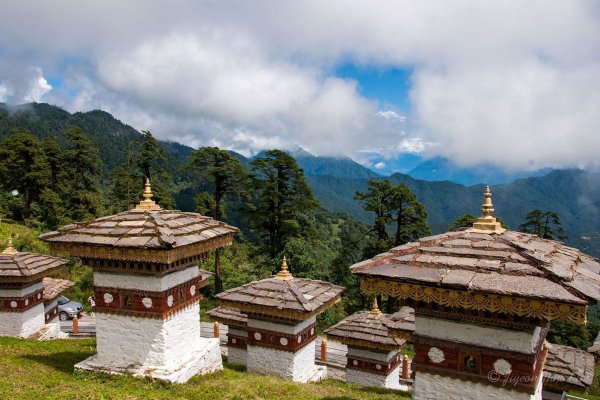
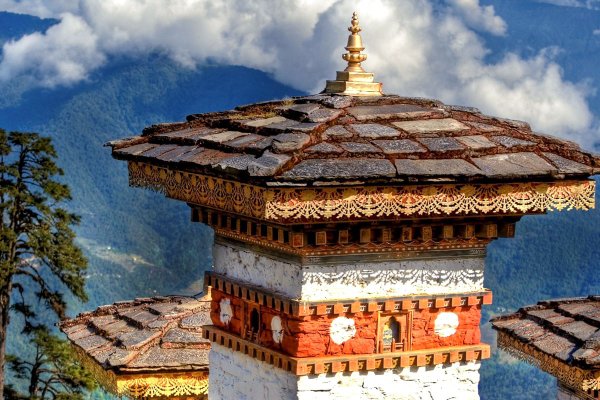
The first stop after leaving Thimphu is Dochula pass at 10,500 ft. The construction of these 108 chorten also called as Druk Wangyel Chortens commissioned by the eldest Queen mother, Her Majesty Dorji Wangmo Wangchuck. The temple was built in the honor of His Majesty Jigme Singye Wangchuck. From here, one can witness most enchanting views. If weather permits from this pass, the breathtaking peaks of Bhutan's northern border can be viewed.
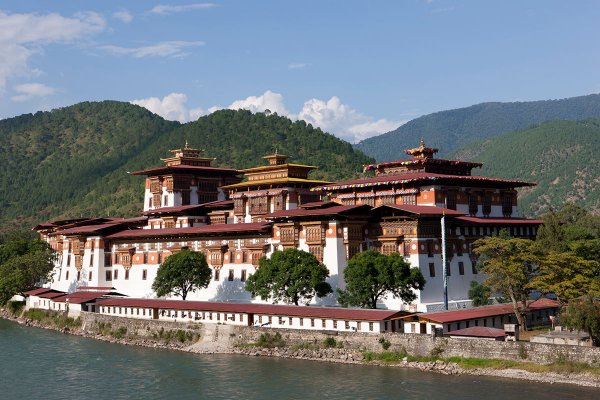
Punakha Dzong
Visit the punakha Dzong (fortress) built by Zhabdrung Ngawang Namgyel in the year 1637. The dzong is situated between Pho chu (male river) and Mo chhu (female river). Until the time of second king the Punakha dzong served as the important seats of the government.
-
Day 4
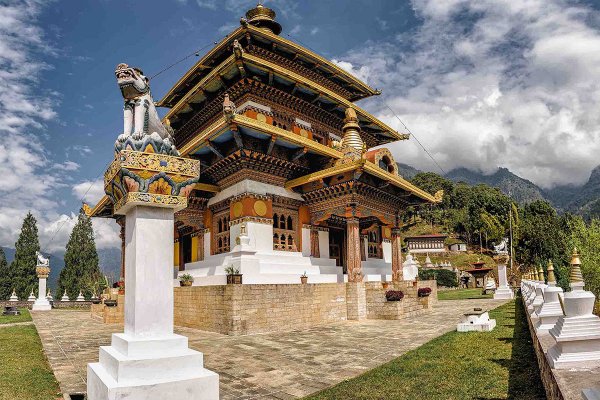
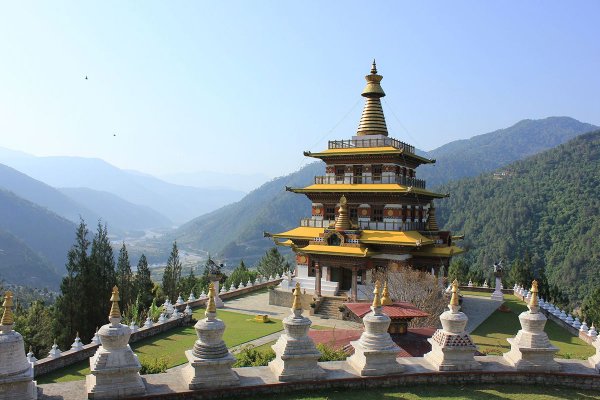
After breakfast, hike or drive to Khamsum Yuelley Namgyel Chorten is 30 meters (100 feet) tall and can be seen in the distance when driving or walking up from the footbridge. The three-leveled chorten took eight and a half years to build and was consecrated in 1999. It is dedicated to the 5th King and serves to protect him as well as the country. It is therefore filled with every form of colorful protector imaginable. The hike there is about 45 minute 1 hour round trip.
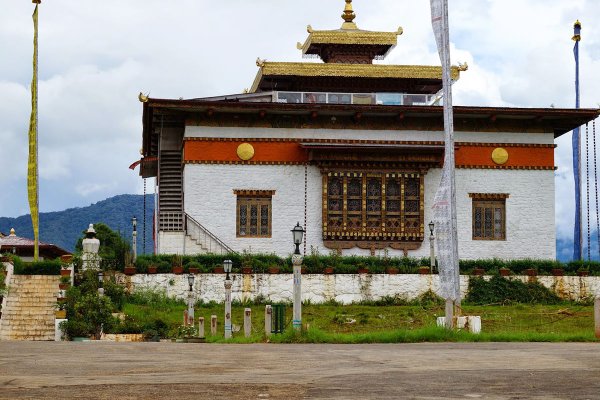
After lunch visit Sangchhen Dorji Lhuendrup Nunnery: Perched on the ridge amid pine trees and overlooking valleys of Punakha and Wangduephodrang. The temple houses a 14-foot main bronze statue of Avalokiteshvara (Chenrigzig chagtong chentong). The Avalokiteshvara statue, one of the biggest in the country, was the handiwork of entirely local Bhutanese artisans. The temple complex also houses a permanent higher learning and meditation centre for nuns where, apart from religious trainings, it provides life skill training such as tailoring, embroidery, statue making and thangka painting.
-
Day 5
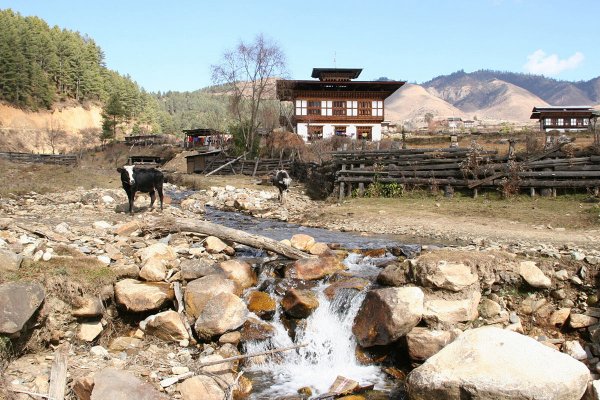
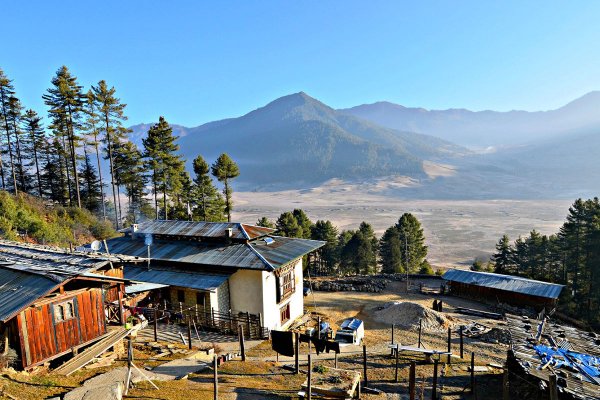
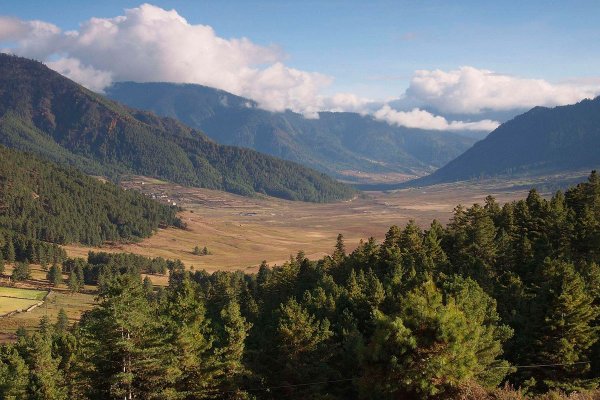
After breakfast, enjoy the drive to the glacial valley through the dense forests of the Phobjikha Valley situated at an elevation 2900m/9655ft. where potato fields occupies most of the land with more or less five thousand inhabitants.
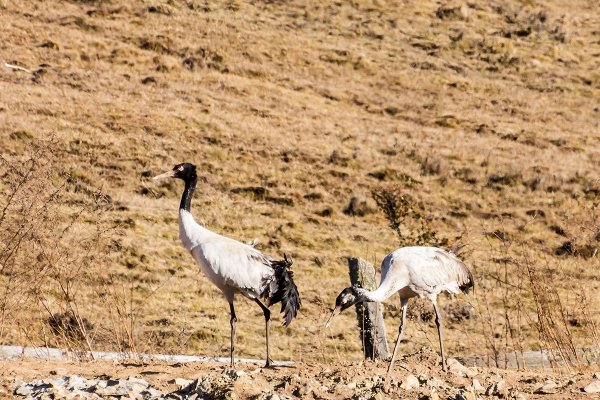
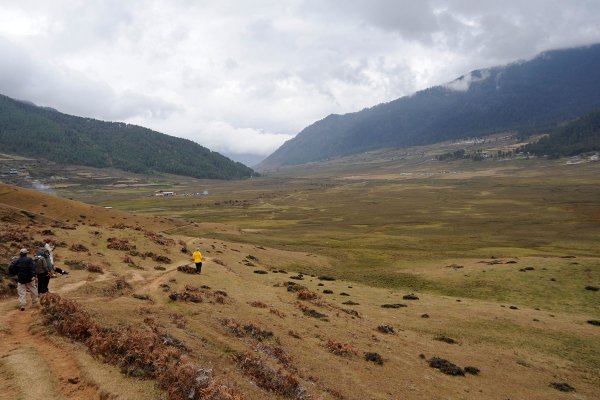
The valley is home for the endangered Black Necked Crane, one of the rare specials of the birds in the world, which migrates from Tibetan plateau to Bhutan in winters (early Nov. to end of Feb.) to avoid the harsh climatic conditions in Tibet. Phobjikha valley at 2900meter is also paradise for nature lovers and hikers so one can enjoy the hike around the remote valley of Phobjikha. You arrive at Gangtey village. Make visits to the places around this valley.
Gangtey Monastery:
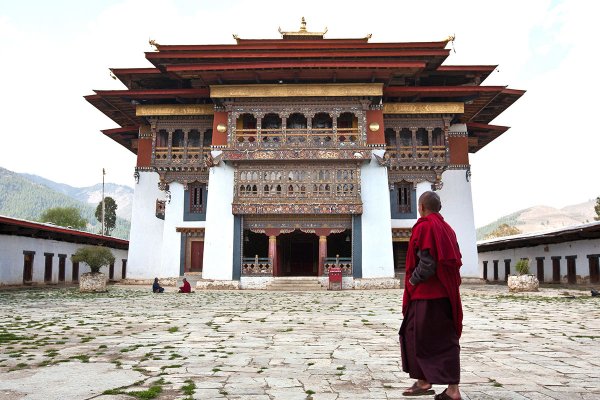
The icon and the heart of the valley. A castle like monastery built in 1613 by the great grandson of the Pema Lingpa (treasure revealer). As the founder of the traditional arts and crafts which is existent in the counter prophesized that one day my descendants will erect a structure of religious significance at a summit of a mountain. According to the prophecy, the current monastery was built. It is home for the few hundred monks who study Nyingmapa (sect/school of Buddhism) looked after by the 9th reincarnated priest. The monastery is considered to be the largest and the only Nyingma (Buddhist institution in this part (west) of the country.
-
Day 6
Gangtey Nature Trail
This pleasurable walk will give you a nice feel of Phobjikha valley. From the small hilltop overlooking Gangtey Goemba, you head downhill through flower meadows to Semchubara village and from here through beautiful forests and into the open valley. The trail ends at the local community school after passing a chorten and Khewa Lhakhang.
Time: Gangtey Goemba Tabading Primary School: 2 hours (5.5 km).
Crane Information Centre:
Black Necked Crane Information Centre is situated on the edge of the forest and wetland along the Phobjikha Valley. The Centre has an observation room equipped with high-power telescope and powerful spotting scopes the cranes. The Centre even contains display information outlining the natural, cultural history of the area and a small gift shop which sells handicrafts made by the locals.
Evening:
Explore Phobjikha valley
-
Day 7
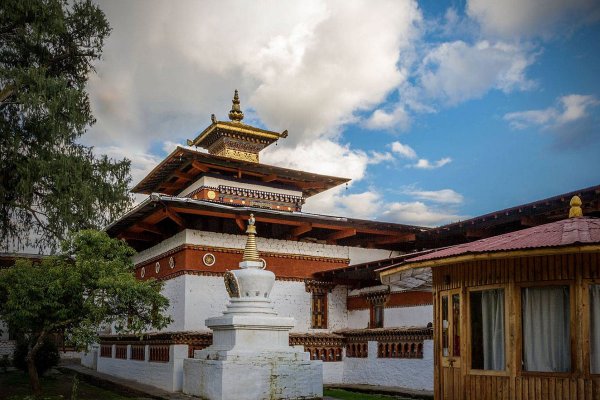
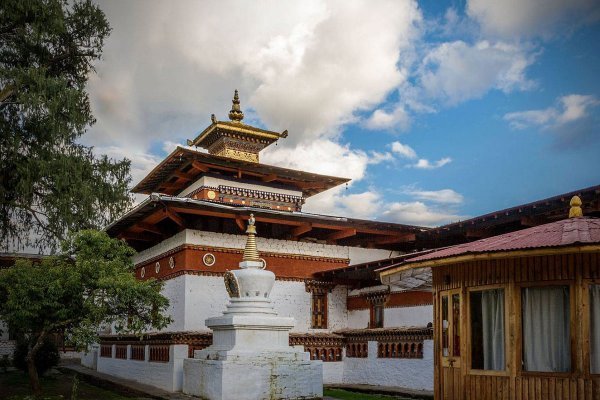
Retrace your journey and the drive back to the enchanting valley of Paro. If time permits, visit Kyichu Lhakhang in the afternoon: It is one of the oldest and most sacred shrines of the Kingdom dating back to 7th century (the other is Jambay Lhakahng in Bumthang). The lhakhang complex is composed of two temples. The first temple was built by Tibetan King, Songtsen Gampo in the 7th century and in 1968, Her Majesty Ashi Kesang, the Queen Mother of Bhutan, built the second temple in original pattern. Make sure to visit the Museum of the Great Tibetan Master, Dilgo Khyentse Rinpoche who once lived there. It is just located behind the main temple and can watch documentary.
National Museum:
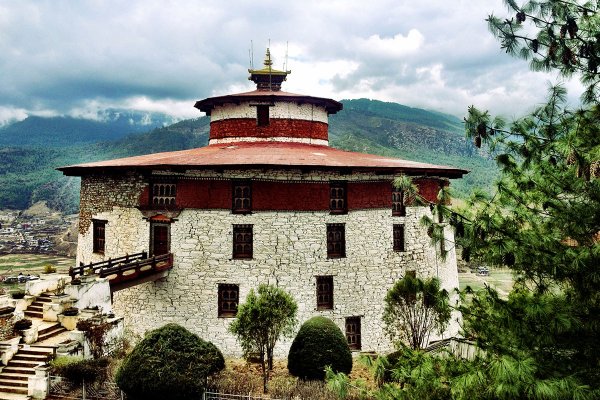
Ta- Dzong (the watchtower) was built in the 17th century to guard the Paro Rimpong dzong (fortress) below. It was said that the future first king was kept in this tower as a prisoner for a week. It was the third king who restored the Ta-dzong and converted it into the National Museum. The visit to the museum will familiarize you with the Bhutanese way of life and will also acquaint you with the natural and cultural history.
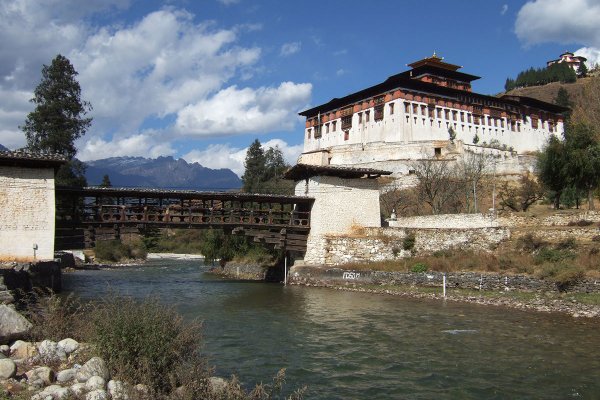
Paro Rimpung Dzong:
Majestic and imposing, dzongs are arguably among the most distinctive and important structures in Bhutan. This Dzong is the headquarters of the Paro district, housing the head administrator and staff, as well as a monastic body with about 200 monks.
Evening:
explore Paro Town
-
Day 8
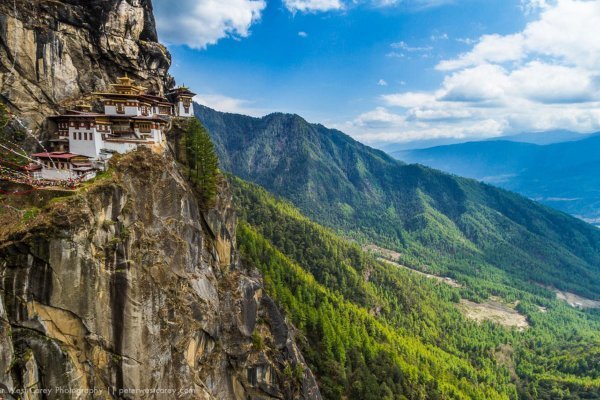
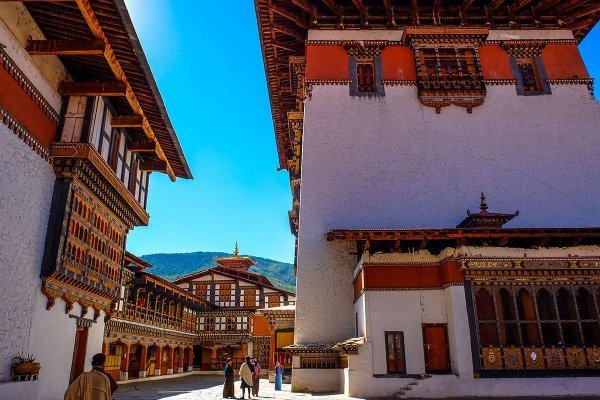
Tiger Nest Monastery is Bhutan's most iconic landmark and religious site. The name Taktsang means Tiger's Nest. This temple is one of the most holiest sites in the Kingdom and clings impossibly to a sheer cliff face 900 m above Paro Valley. It is believed that Guru Rinpoche flew to this location from the Singye Dzong on the back of the flying Tigress.
This place was consecrated to tame Tiger Demon, was first built in 1692 at the cave were Guru Rinpoche meditated in the seventh century for three years three months three days and three hours in order to subdue evil demon residing within it. The cave is considered as a sacred site ever since and famous saint have traveled to meditate in it.
You can choose to spent some time in meditation there in the monastery.
-
Day 9
Finally, the 9 days of most memorable trips for our valued guests come to an end happily. On the next day after breakfast, our company guide shall escort our valued guests to the Paro international Airport to board departure flight. The team from Norbulingka Bhutan company offer our sincere prayers and wish our valued guests a safe and happy return to your loving homeland.