BHUTAN ODYSSEYS OF DISTINCTION 7 DAYS 6 NIGHTS

Package Overview
Duration : 7 days & 6 nights
Price : $ 0.00
-
Day 1
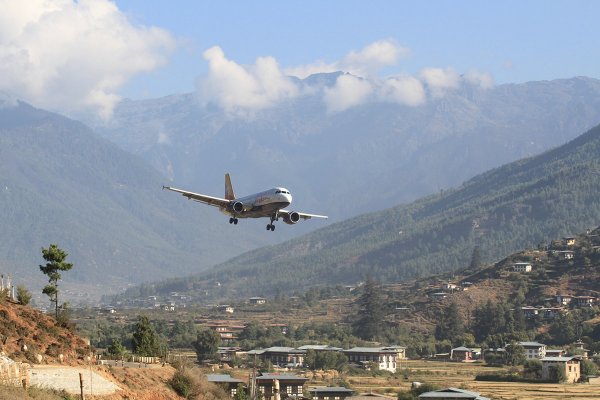
After arriving at Paro International Airport, you will be welcomed by your dedicated certified guide, and after immigration & baggage collection you will drive to Thimphu.
On the way, you may stop to visit Iron Chain Bridge below Tachog Lhakhang which was built in 15th century by Thangthong Gyalpo. There is a separate bridge next to this one that is specifically for cattle to use, as crossing over an iron chain bridge is very difficult and dangerous for them.
You may pull-over at Chhuzom where Paro Chhu and Wang Chhu meets. It is also a place where road connects to four districts in Bhutan. Because Bhutanese traditions regards such a convergence of rivers as inauspicious, there are three chortens here to ward off evil spells in the area.
Thimphu Altitude 2320m:
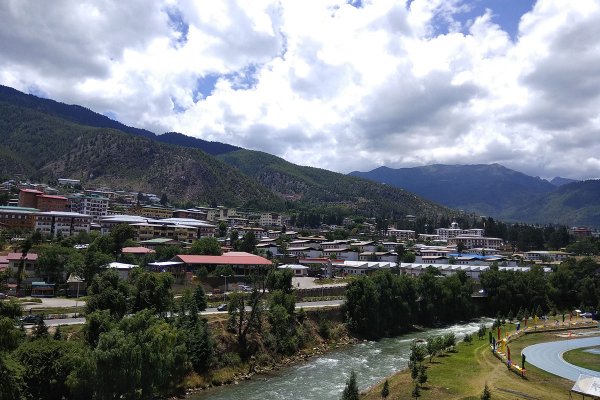
Thimphu is a small, charming capital city nestled in the heart of the Himalayas with a population of over 100,000 people. Thimphu is capital town of Bhutan and the Centre for government, religion and commerce.
National Memorial Chorten
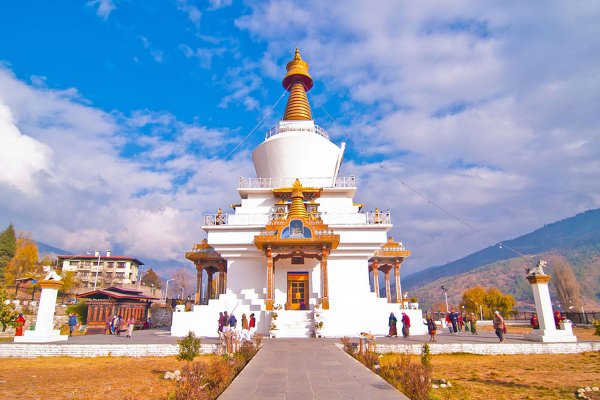
Memorial chorten has been designed to present it as one of the most visible religious structures in Thimphu. The Memorial Chorten, in the heart of the city, is designed is a Tibetan style chorten, also called as the Jangchup Chorten, patterned on the design of a classical stupa, with a pyramidal pillar crowned by a crescent moon and sun. The feature that is distinct here is the outward flaring of the rounded part to give the shape of a Vase, unlike a dome shape. Chorten literally means Seat of Faith and Buddhists often call such monuments, the Mind of Buddha. National Memorial Chorten is an extraordinary example of Buddhist architecture and artwork with its gorgeous paintings and intricate sculptures. You will find elderly Bhutanese people circumambulating this throughout the day.
Kuenselphodrang (Buddha Point)
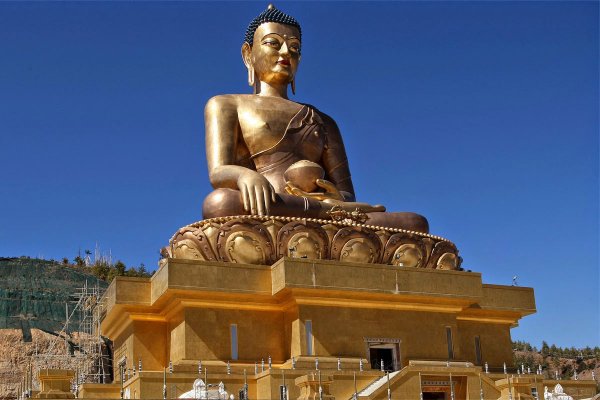
Buddha Dordenma is massive statue of Shakyamuni measures in at a height of 51.5 meters, making it one of the largest statues of Buddha in the world. The statue is made of bronze and is gilded in gold. 125,000 smaller Buddha statues have been placed within the Buddha Dordenma statue, 100,000 8-inch tall and 25,000 12 inch tall statues respectively.
Each of these thousands of Buddhas has also been cast in bronze and gilded. The throne that the Buddha Dordenma sits upon is a large meditation hall.
Takin Preserve National Park
Motithang Takin (Natioanl animal) Preserve, located in the Motithang in Thimphu. Bhutan has a wildlife reserve area for Takin. This was started as a mini zoo, later the King of Bhutan felt that it was improper for a Buddhist country to confine animals for religious and environmental reasons. He therefore ordered the release of the animals and the closure of the mini-zoo on converted into a preserve. The reason for declaring takin as a National Animal of Bhutan on 25 November 2005 (Budorcas taxicolor) is attributed to a legend of the animal's creation in Bhutan in the 15th century by Lama.
The preserve also holds a few sambar and barking deer. The Motithang Takin Reserve has been an integral part of Thimphu city and is an ongoing visitor attraction.
Tashi Choedzong
In 1641 Zhabdrung Ngawang Namgyal acquired it but finding it too small, he built another one, known as the lower Dzong. The original dzong was destroyed by fire in 1771 and everything was moved to the lower dzong. The new building was later expanded several times over the years. It was damaged during an earthquake in 1897 and rebuilt in 1902.
King Jigme Dorji Wangchuck had it completely renovated and enlarged over five years after he moved the capital to Thimpu in 1952 in traditional style using neither nails nor written plans. Tashichho Dzong has been the seat of the government since 1952 and presently houses the throne room and offices of the king, the secretariat and the ministries of home affairs and finance. Other government departments are housed in buildings nearby. The dzong is located close to Thimphu town, next to the banks of the Wangchhu River. It is an impressively large structure, surrounded by well-kept lawns and beautiful gardens.
Over night at Thimphu
-
Day 2
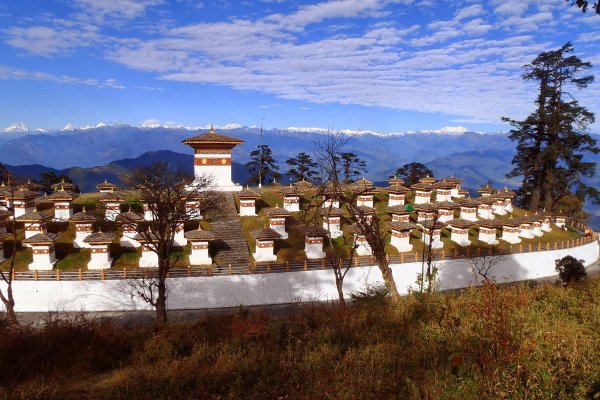
Dochula Pass
Dochula Pass known as the Druk Wangyal Chortens- the construction of these 108 chortens was commissioned by the eldest Queen Mother, Her Majesty Ashi Dorji Wangmo Wangchuk. The pass is also popular spiritual destination for both locals and tourists because an important(Druk Wangyal Lhakhang) temple is located on the crest of Dochula pass. This temple was built in honor of His Majesty the fourth Druk Gyalpo, Jigme Singye Wangchuck. The past and future appears to merge in the details of the lhakhang (temple) and its structure tells the story of a supreme warrior figure, whose vision pierces the distant future in a fine blend of history and mythology.
Dochula pass is located on the way to Punakha from Thimphu. The pass is a popular location among tourists as it offers a stunning 360 degree panoramic view of Himalayan mountain range. The view is especially scenic on clear, winter days with snowcapped mountains forming a majestic backdrop to the tranquility of the 108 chortens gracing the mountain pass. Bhutanese families enjoy visiting the pass during holidays and weekends to picnic and simply enjoy the scenery. It is common to see families and groups of friends seated amongst the chortens, enjoying a packed lunch and hot tea. For tourists this is ideal location to capture beautiful pictures of Himalayan mountain range during clear, warm days.
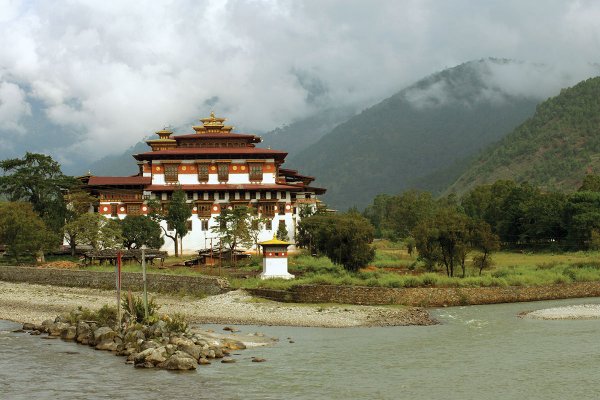
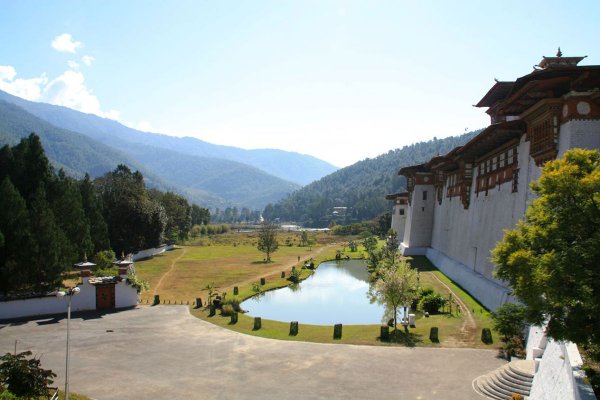
Punakha Dzong
Punakha Dzong was constructed by Tuebi Zaow Balip under the great command of Zhabdrung Ngawang Namgyal in 1637 and believed to have been completed in two years of time period. It is also the country's most beautiful Dzong. It is the winter residence of Bhutan's Central Monastic Body led by HH the Je Khenpo. Punakha Dzong was the administrative centre and the seat of the Government of Bhutan until 1955, when the capital was moved to Thimphu.
Punakha Dzong is built at the confluence of Pho Chhu & Mo Chhu rivers and is an especially beautiful sight on sunny days with sunlight reflecting off the water onto its whitewashed walls. Punakha Dzong is notable for containing the preserved remains of Zhabdrung Ngawang Namgyal, the unifer of Bhutan as well as a sacred relic known as the Ranjung Karsapani. The wedding of the King of Bhutan, Jigme Khesar Namgyel Wangchuck, and his fiance, Jetsun Pema, was held at the Punakha Dzong, on 13 October 2011.
Overnight hotel in Punakha
-
Day 3
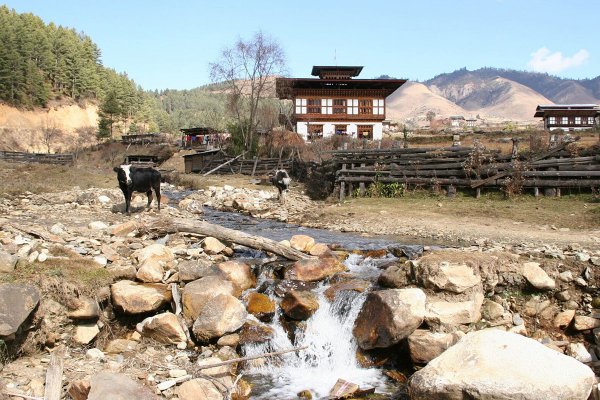
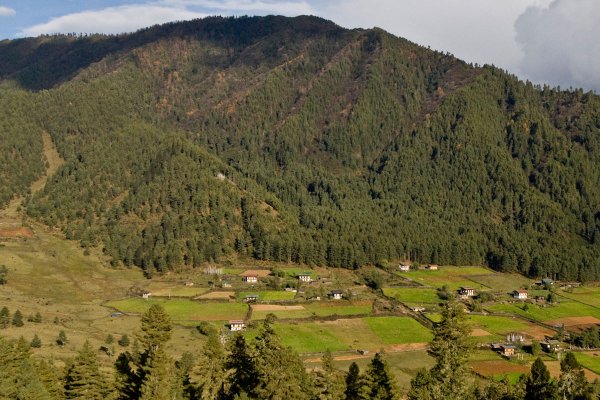
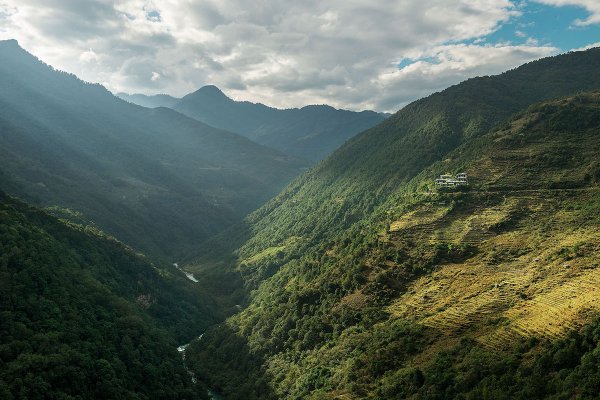
Retrace and enjoy the drive back to the glacial valley through the dense forests of the Phobjikha Valley situated at an elevation 2900m/9655ft. where potato fields occupies most of the land with more or less five thousand inhabitants.
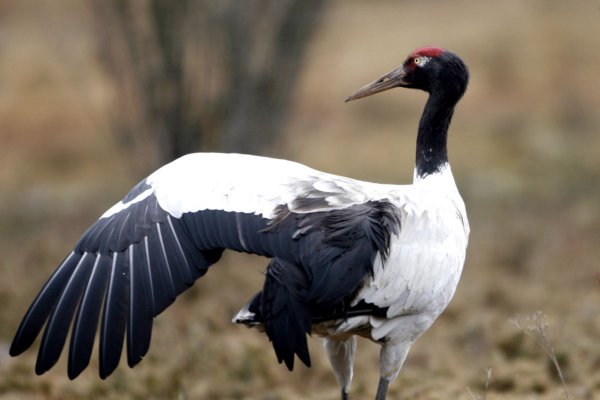
The valley is home for the endangered Black Necked Crane, one of the rare specials of the birds in the world, which migrates from Tibetan plateau to Bhutan in winters (early Nov. to end of Feb.) to avoid the harsh climatic conditions in Tibet. Phobjikha valley at 2900meter is also paradise for nature lovers and hikers so one can enjoy the hike around the remote valley of Phobjikha. You arrive at Gangtey village. Make visits to the places around this valley.
Gangtey Goemba
The icon and the heart of the valley. A castle like monastery built in 1613 by the great grandson of the Pema Lingpa (treasure revealer). As the founder of the traditional arts and crafts which is existent in the counter prophesized that one day my descendants will erect a structure of religious significance at a summit of a mountain. According to the prophecy, the current monastery was built.
It is home for the few hundred monks who study Nyingmapa (sect/school of Buddhism) looked after by the 9th reincarnated priest. The monastery is considered to be the largest and the only Nyingma (Buddhist institution in this part (west) of the country.
Overnight in Gangtey
-
Day 4
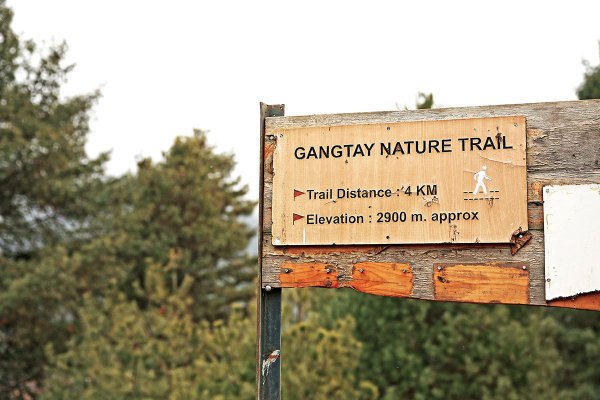
Gangtey Nature Trail
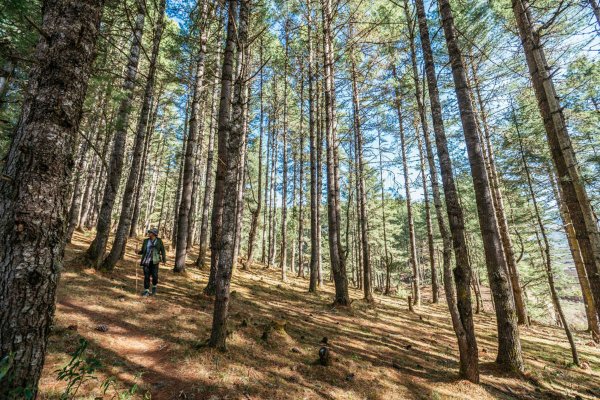
This pleasurable walk will give you a nice feel of Phobjikha valley. From the small hilltop overlooking Gangtey Goemba, you head downhill through flower meadows to Semchubara village and from here through beautiful forests and into the open valley. The trail ends at the local community school after passing a chorten and Khewa Lhakhang.
Time: Gangtey Goemba Tabading Primary School: 2 hours (5.5 km).
Crane Information Centre
Black Necked Crane Information Centre is situated on the edge of the forest and wetland along the Phobjikha Valley. The Centre has an observation room equipped with high-power telescope and powerful spotting scopes the cranes.
The Centre even contains display information outlining the natural, cultural history of the area and a small gift shop which sells handicrafts made by the locals.
Evening: Explore Phobjikha valley
Overnight in Gangtey
-
Day 5
Retrace your journey and the drive back to the enchanting valley of Paro.
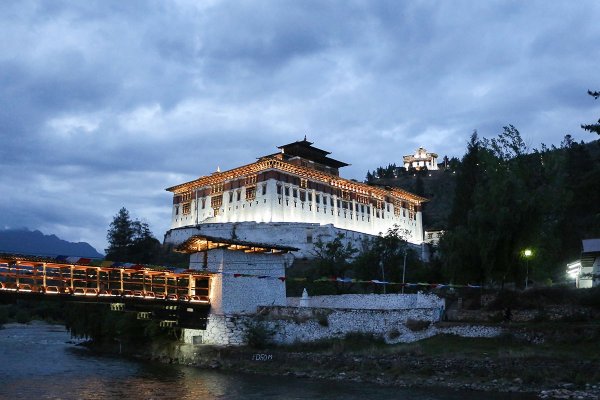
Paro Rimpung Dzong
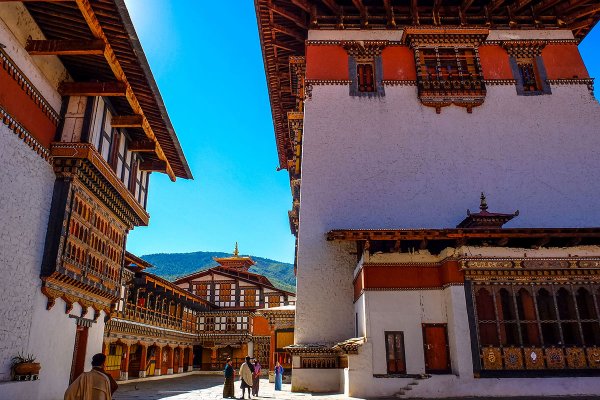
Majestic and imposing, dzongs are arguably among the most distinctive and important structures in Bhutan. This Dzong is the headquarters of the Paro district, housing the head administrator and staff, as well as a monastic body with about 200 monks.
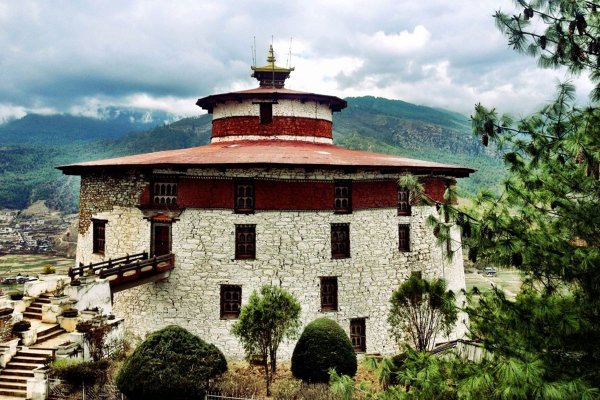
National Museum
Ta- Dzong (the watchtower) was built in the 17th century to guard the Paro Rimpong dzong (fortress) below. It was said that the future first king was kept in this tower as a prisoner for a week. It was the third king who restored the Ta-dzong and converted it into the National Museum. The visit to the museum will familiarize you with the Bhutanese way of life and will also acquaint you with the natural and cultural history.
Overnight in Paro
-
Day 6
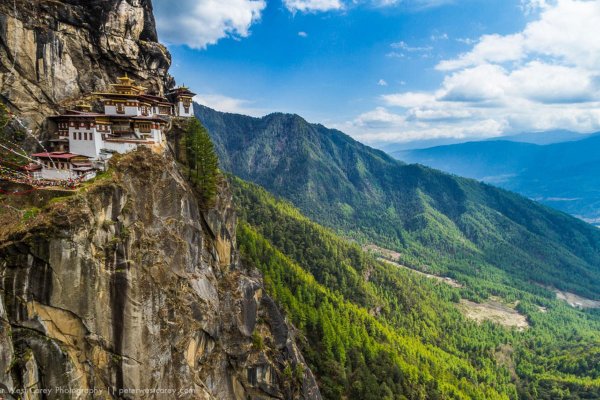
Taktsang Monastery (Tiger's Nest) Hike
Taktsang Lhakhang is Bhutan's most iconic landmark and religious site. The name Taktsang translates to The Tiger's Nest. This temple is one of the most holy sites in the kingdom and clings impossibly to a sheer cliff face 900 hundred meters above the Paro Valley. It it is believed that Padmasambhava (Guru Rinpoche) flew to this location from Tibet on the back of a tigress from Khenpajong. This place was consecrated to tame the Tiger demon, was first built in 1692 at a cave where Guru Rimpoche meditated in a cave, in the 7th century A.D. for 3 years, 3 months, 3 days and 3 hours in order to subdue evil demons residing within it. The cave has been considered a sacred site ever since and many famous saints have travelled to meditate in it.
Taktsang Lhakhang is located approximately 10 km north of Paro town at an altitude of 3.120 meters above the Paro valley, on the right side of the Paro River. In order to arrive at the temple you must trek for around 2-3 hours through beautiful, shady pine forests that is colorfully festooned with moss and prayer flags. On many days, clouds shroud the monastery and give an eerie feeling of remoteness.
On the approach path to the monastery, there is a Lakhang and a temple of Urgyan Tsemo which, like the main monastery, is located on a rocky plateau with a precipitous projection of several hundred feet over the valley. From this location, the monastery?s buildings are on the opposite ravine, which is known by the name Copper-Colored Mountain Paradise of Padmasambhava.
This is the view point for YOU and there is a cafeteria to provide refreshments.
The trek beyond this point is very scenic with the sound of the water fall breaking the silence. The route is scattered with number of temples. On this path, a large water fall, which drops by 60 meters (200 ft) into a sacred pool, is forded over by a bridge. The track terminates at the main monastery where colorful paintings are displayed. Guru Rinpoche's cave where he meditated is also seen. This cave is opened for public viewing only once a year.
No trip to Bhutan would be complete without a visit to this remarkable heritage site. Overnight in Paro
Druk choeding
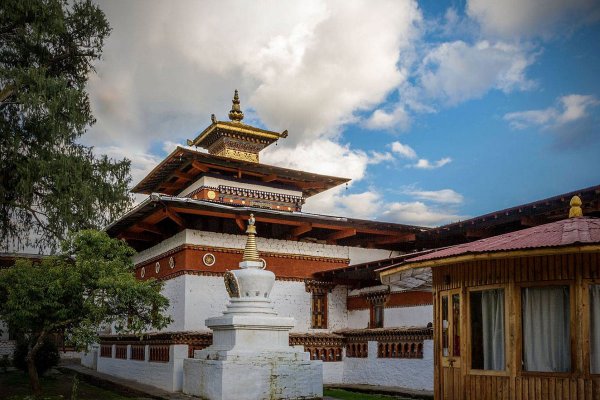
Druk choeding also known as Tshongdoe Naktshang, the quiet andpeaceful Druk Choeding is the town temple. It was built in 1525 by Ngawang Chhogyel (1465-1540), one of the prince-abbots of Ralung in Tibet and an ancestor of the Zhabdrung Ngawang Namgyal.
Dumtse Lhakang
To the west of the road leading to the National Museum is Dumtse Lhakhang, an unusual chorten-like temple that was built in 1433 (some sources say 1421) by the iron-bridge builder Thangtong Gyalpo.
The temple was built to subdue a demoness and so is chained firmly to the ground. Its three floors represent hell, earth and heaven, and hold some of the finest murals in Bhutan. It's essential to bring a good torch. Your travel agency may need to have Dumtse listed on your permits, so mention you'd like to stop here in advance.
Overnight Hotel in Paro
-
Day 7
After breakfast, your guide and driver will see you off at the airport.